Our Ingredients

Glacier Water
Natural, clean meltwater from glaciers
Natural glacier water is meltwater from glaciers and ice fields. People like it for taste and mineral content, but the “benefits” are mostly about what’s not in it and what minerals are in it.
Potential benefits:
- Low in contaminants: Glacier water comes from snow that fell and was locked in ice for decades/centuries, so it’s typically free of modern pollutants, pesticides, and microplastics that can be in surface water. That’s why it often tastes “clean.”
- Natural mineral content: As meltwater flows over rock, it picks up minerals like calcium, magnesium, potassium, and silica. These give it a slightly sweet, smooth taste and contribute small amounts to your daily mineral intake.
- High dissolved oxygen: Cold, fast-moving meltwater can hold more dissolved oxygen than warm tap water. Some people report it feels more “refreshing.”
- Alkalinity: Some glacier waters are naturally slightly alkaline due to rock minerals.
- Positive water: Once water is negative or chemicalised it will never turn back to positivity. Water has memory.
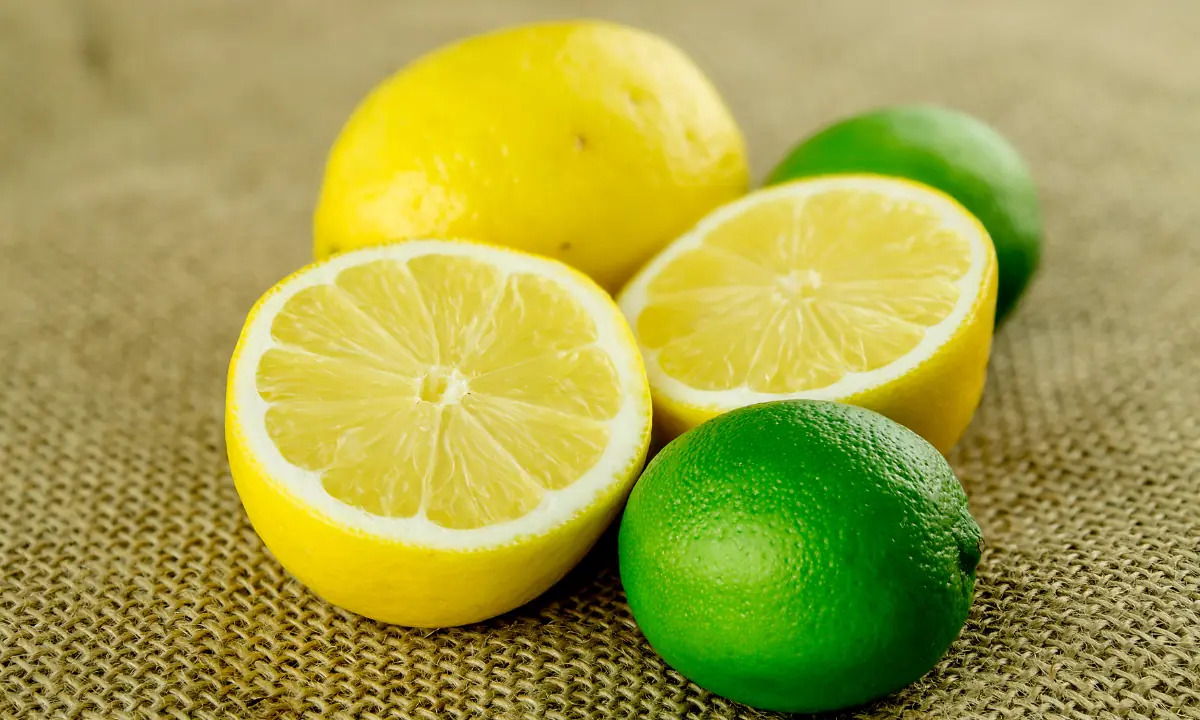
Lemon
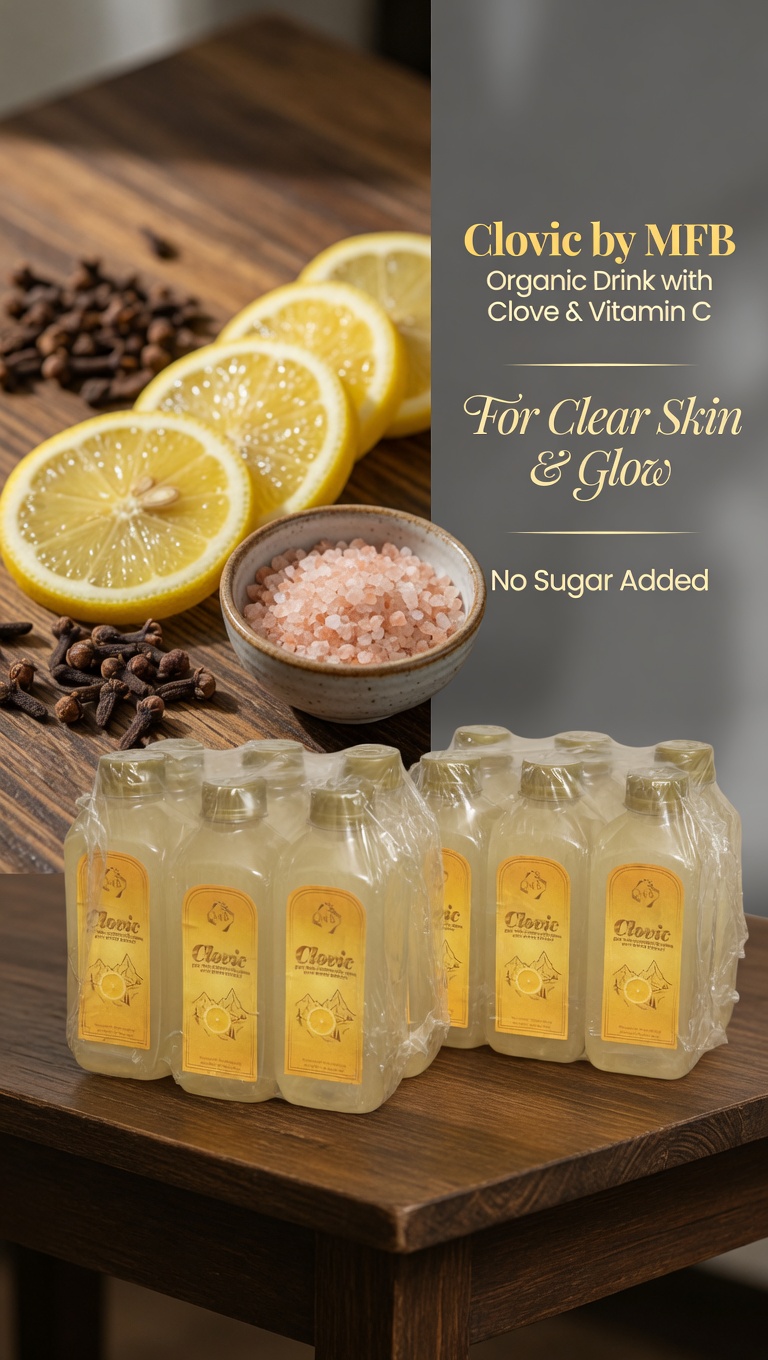
High in vitamin C, citric acid, and flavonoids
Benefits of lemon 🍋 mostly come from vitamin C, citric acid, and flavonoids:
- Immune support: One lemon gives ∼30-40% of your daily vitamin C. It helps your body make and activate white blood cells so you fight off infections faster.
- Helps digestion: Citric acid boosts stomach acid and bile flow, which can make food break down easier. Lemon water is also a simple way to drink more fluids and avoid constipation.
- Lowers kidney stone risk: The citric acid binds calcium in urine and raises urinary citrate. That’s why doctors sometimes recommend lemon juice for people prone to calcium kidney stones.
- Boosts iron absorption: Vitamin C turns plant-based iron into a form your body absorbs better. Squeeze lemon on spinach, lentils, or tofu to get more iron from them.
- Skin and collagen: Vitamin C is needed to make collagen. The antioxidants in lemon also help reduce oxidative stress that contributes to skin aging.
- Fresh flavor, less sugar: Using lemon instead of sugary dressings, sauces, or drinks cuts calories and helps with blood sugar.
- Glow: Vitamin C in lemon supports collagen production and helps fade post-acne dark spots by blocking melanin production. The mild acid also exfoliates dead skin cells, making skin look brighter.
- Acne: Citric acid has mild antibacterial properties and helps unclog pores by dissolving oil and dead skin. It also reduces excess oil on the surface.
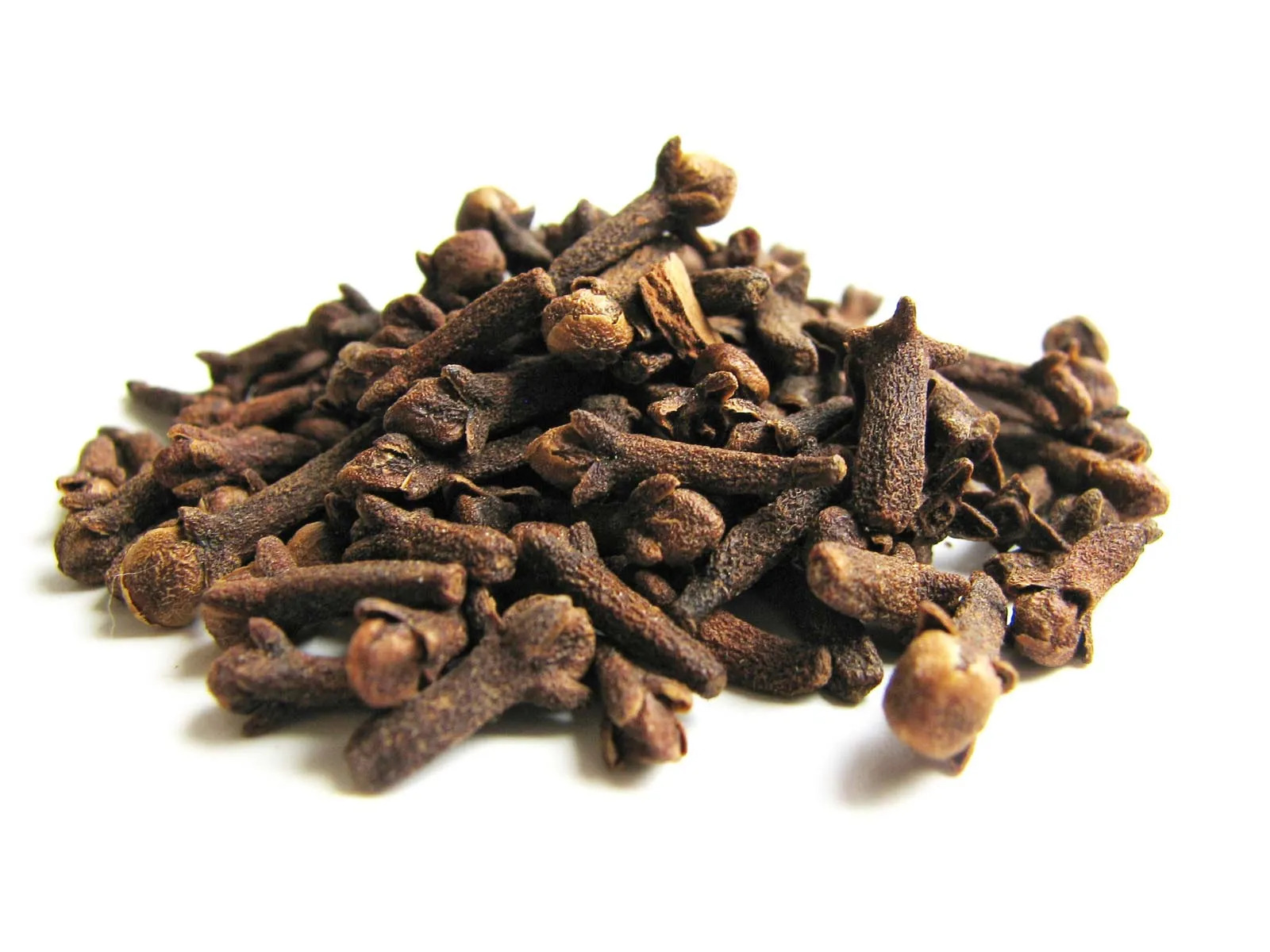
Clove
Dried flower bud of Syzygium aromaticum, rich in eugenol
Clove is the dried flower bud of Syzygium aromaticum. It’s one of the most concentrated food sources of antioxidants, and the active compound is eugenol.
Main benefits:
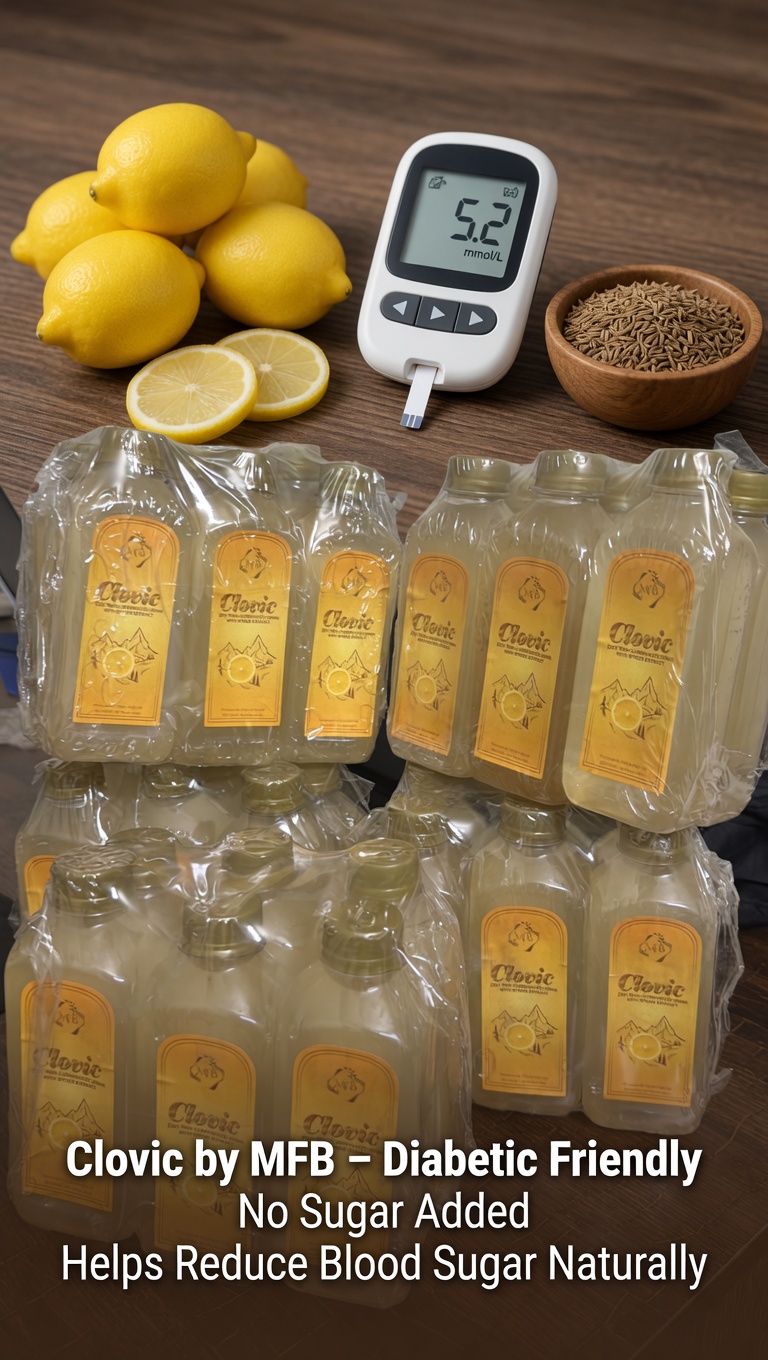
- Controls blood sugar: Compounds in clove improve insulin function and slow glucose absorption. Small human and animal studies show it can lower post-meal blood sugar spikes. Effect is mild, but useful as part of a diet.
- Pain and oral health: Eugenol is a natural anesthetic and antiseptic. That’s why clove oil is used for anti aging, toothaches, gum pain, and sore throats.
- Anti depression: Anti anxiety: Clove helps in good sleep: Sedative: It numbs nerves and kills bacteria in the mouth. Dentists still use eugenol in some fillings and dressings.
- Digestion: Clove relaxes the GI tract muscles, reduces gas, bloating, and nausea. It also stimulates digestive enzymes and bile flow, so food moves through faster.
- Antioxidant powerhouse: Gram for gram, clove ranks near the top for ORAC score. The polyphenols fight oxidative stress, which is linked to aging and chronic disease. You only need 1-2 cloves to get a meaningful dose.
- Antimicrobial and antifungal: Clove oil kills bacteria like E. coli and Staph, and fungi like Candida. That’s why it’s used in some natural mouthwashes and food preservatives.
- Anti-inflammatory: Eugenol blocks inflammatory pathways similar to how NSAIDs work, but much milder. People use it for joint pain and headaches.
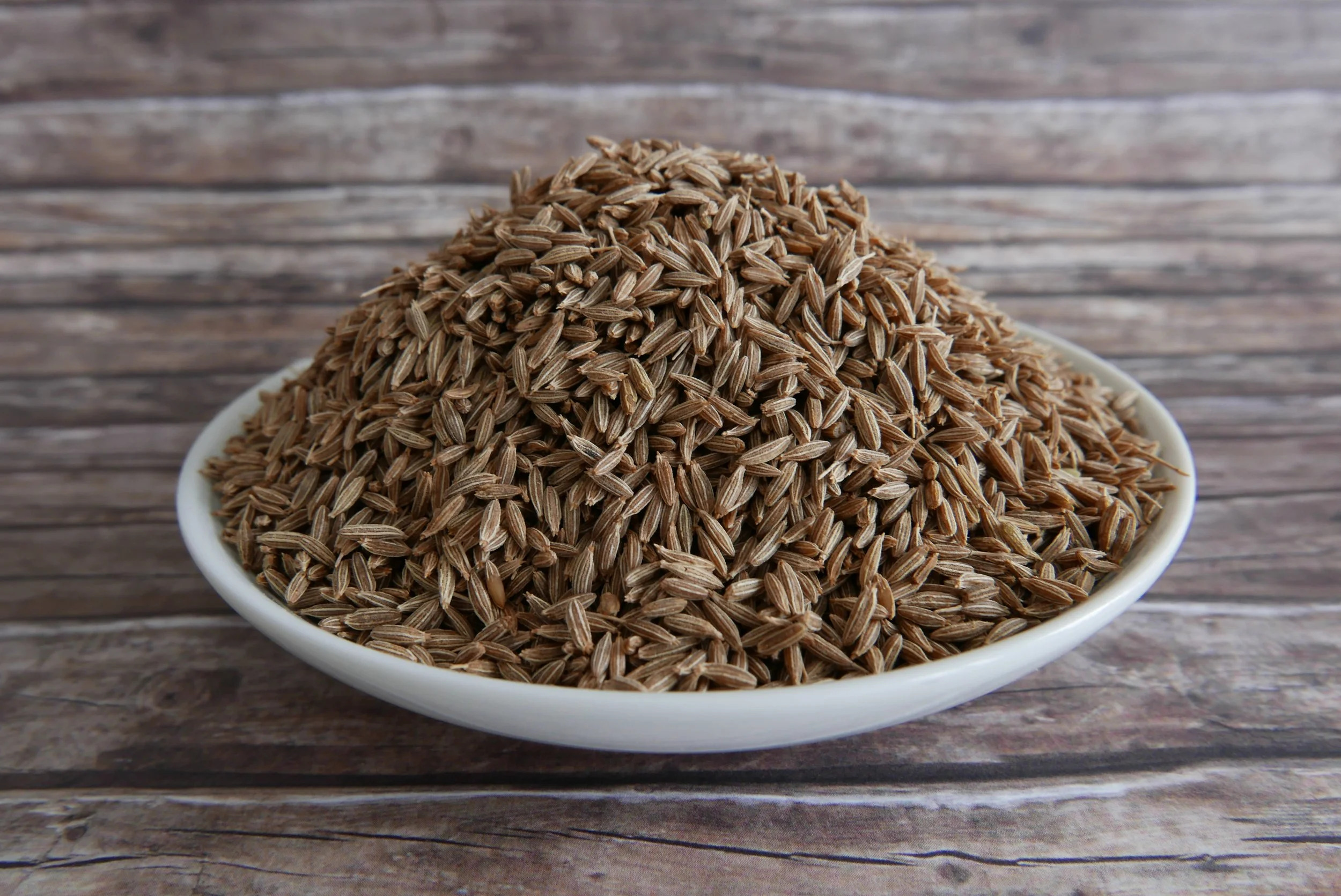
Cumin
Dried seed of Cuminum cyminum, aids digestion and blood sugar
Cumin is the dried seed of Cuminum cyminum. It’s used as a spice, but it also has legit effects on digestion, blood sugar, and metabolism.
Main benefits:
- Digestion and bloating relief: Cumin stimulates the release of digestive enzymes and bile from the liver. That helps break down fats and carbs faster. Traditional use for gas, bloating, and indigestion is backed by this mechanism. It also has carminative properties that reduce gut spasms.
- Blood sugar control: Compounds in cumin improve insulin sensitivity and slow carb absorption. In small trials, cumin powder 1-3g/day lowered fasting glucose and HbA1c in people with prediabetes and type 2 diabetes. It’s not a replacement for meds, but it helps as an add-on.
- Cholesterol and triglycerides: Some studies show cumin reduces LDL “bad” cholesterol and triglycerides, likely by improving lipid metabolism and antioxidant activity. The effect is modest but consistent in doses around 1-2 tsp/day.
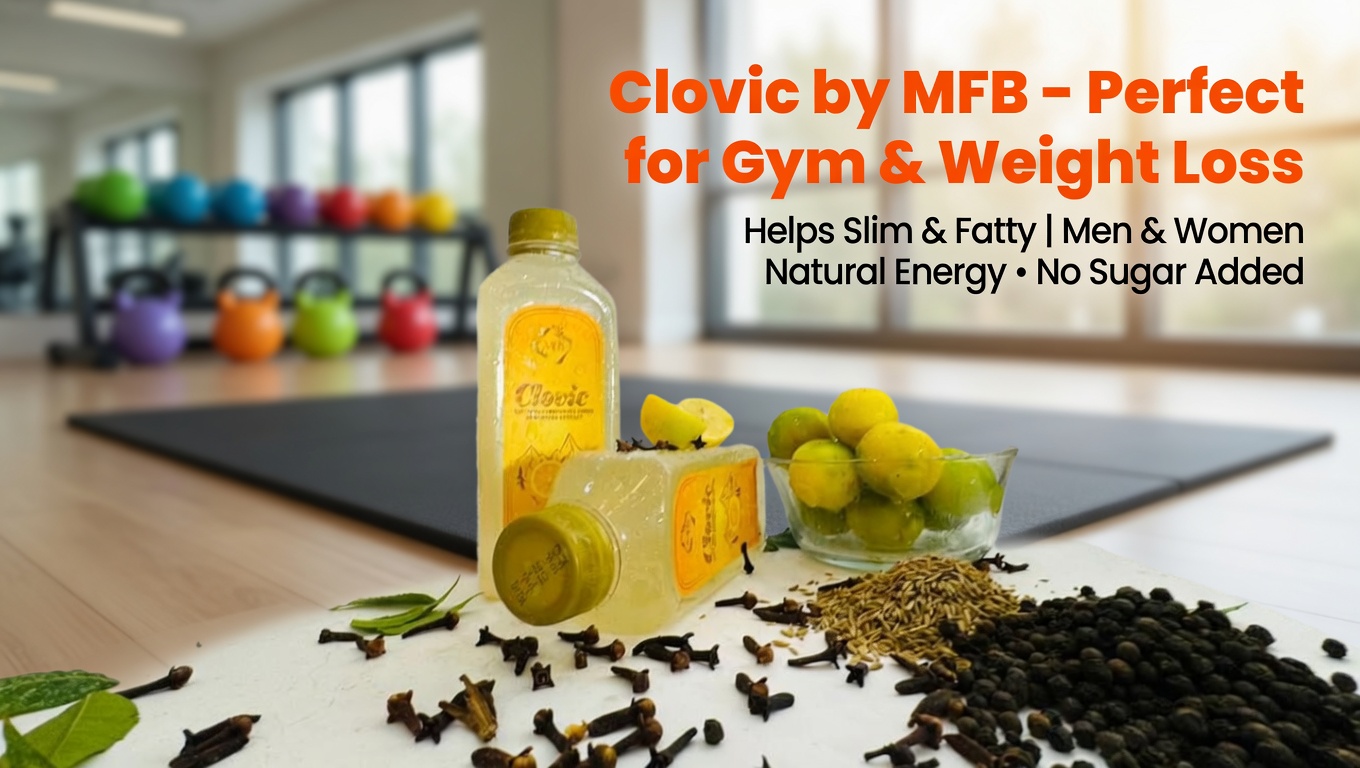
- Weight and fat metabolism: Cumin may increase resting metabolic rate slightly and reduce fat absorption. One 8-week trial had overweight women taking 3g/day lose more weight and body fat than placebo, even without diet changes. The effect is small, but it’s one of the few spices with human data on this.
- Antioxidant and anti-inflammatory: Cumin is high in flavonoids and terpenes that fight oxidative stress and inflammation. That supports immune function and may lower risk of chronic disease.
- Iron and immune support: 1 tsp of cumin gives ∼1.4mg iron, ∼17% of the daily need. It also has antimicrobial properties that help fight gut bacteria.
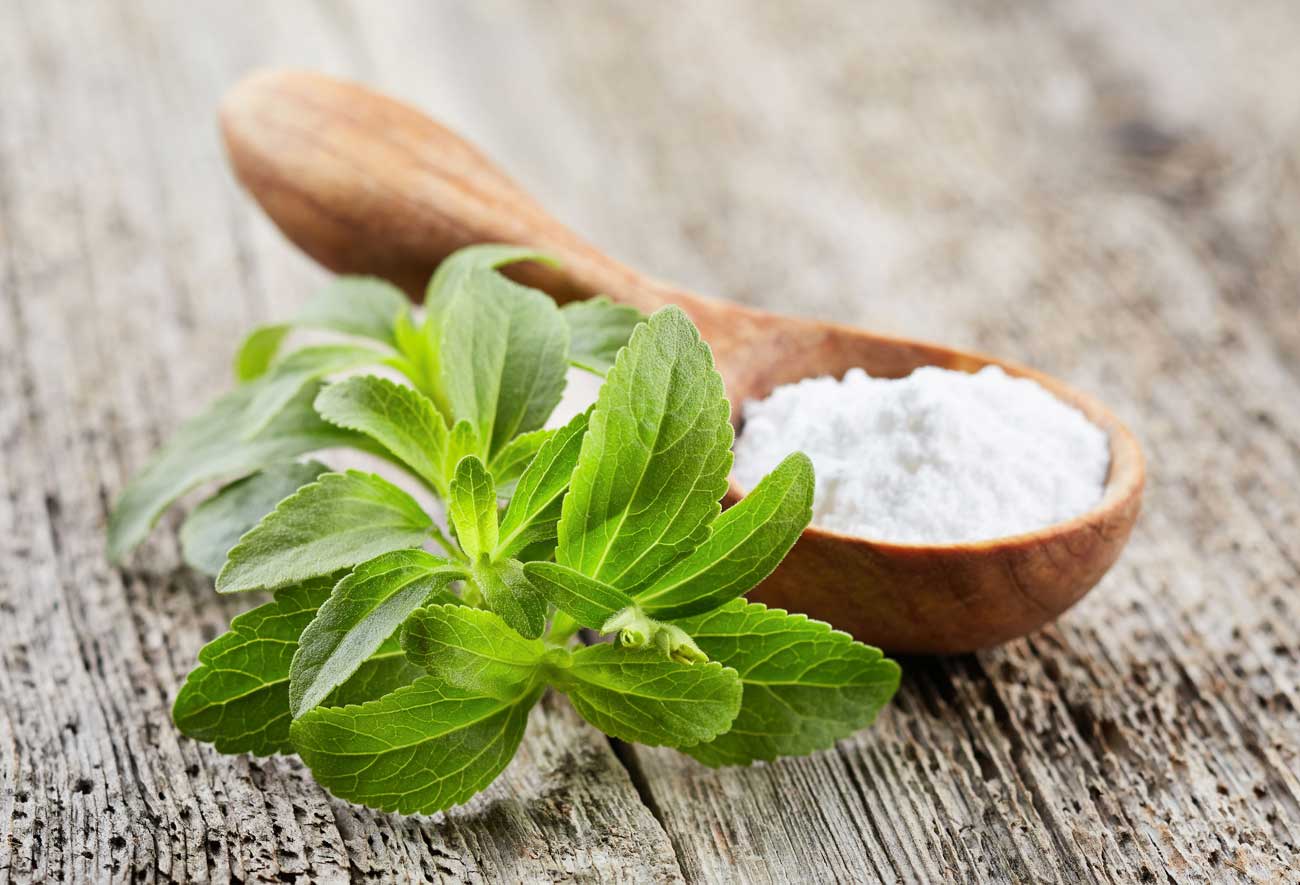
Stevia
Zero-calorie sweetener from Stevia rebaudiana leaves
Stevia is a zero-calorie sweetener from the leaves of Stevia rebaudiana. The sweet compounds are steviol glycosides - 200-400x sweeter than sugar.
Main benefits:
- No blood sugar spike: Stevia doesn’t raise glucose or insulin. That makes it useful if you have diabetes, prediabetes, or you’re trying to avoid blood sugar crashes and cravings. The body doesn’t metabolize steviol glycosides for energy.
- Zero calories: You get the sweet taste without the calories. Swapping sugar for stevia in drinks, coffee, and desserts is one of the easiest ways to cut 100-300 cal/day without feeling deprived.
- Dental friendly: Unlike sugar, stevia doesn’t feed cavity-causing bacteria. It won’t contribute to tooth decay.
- Possible blood pressure and blood sugar benefits: Some studies on stevioside extracts show mild reductions in blood pressure and post-meal glucose in people with hypertension and type 2 diabetes. The effect is small and inconsistent across studies, but it’s not harmful like sugar.
- Antioxidant content: Whole stevia leaf has antioxidants and polyphenols. Highly purified extracts lose most of that, but they’re still metabolically neutral.
- Bottom line: Stevia is one of the cleanest sugar swaps if you want sweetness without calories, blood sugar spikes, or dental issues. It won’t help you lose weight on its own, but it removes a barrier to eating fewer calories.
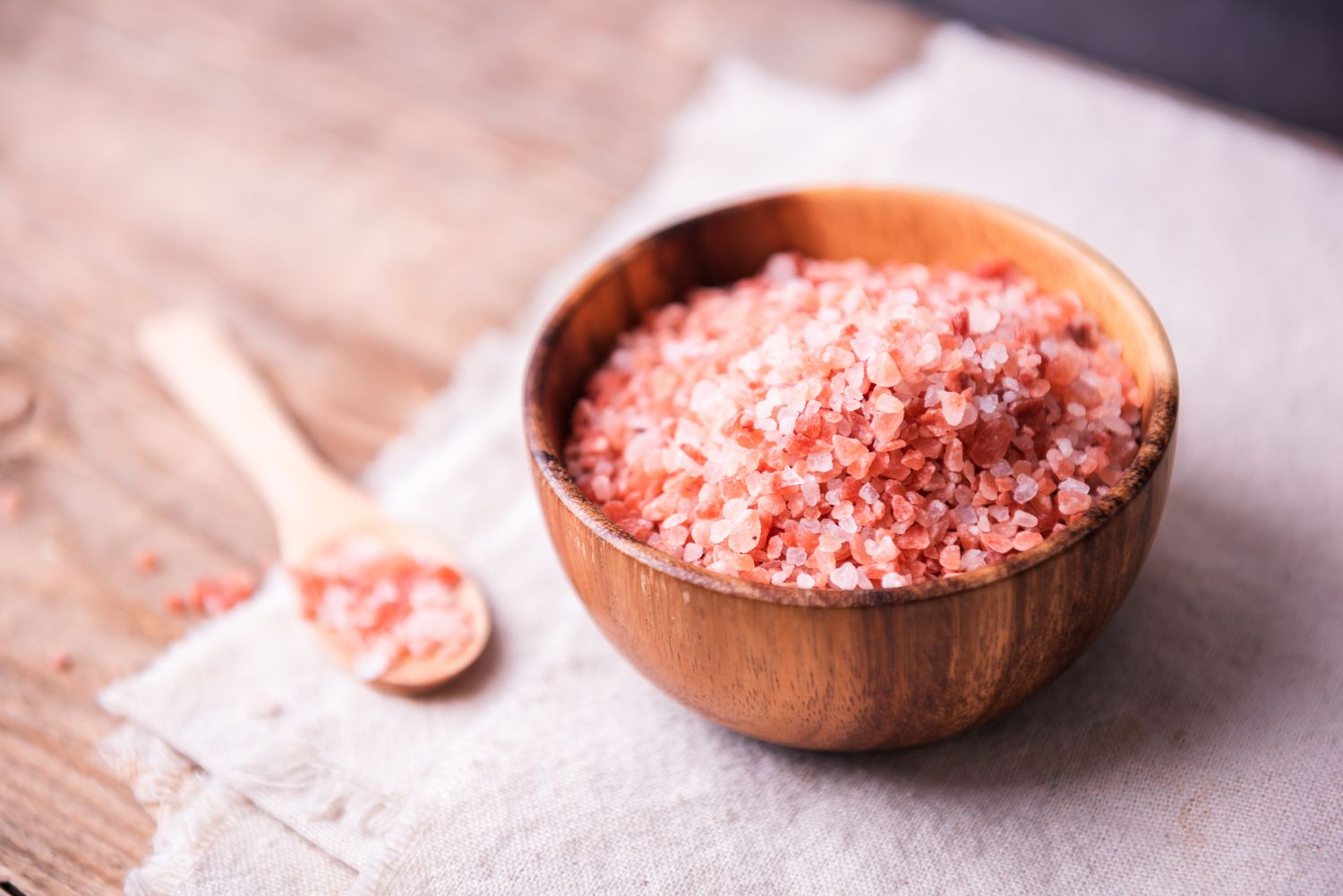
Himalayan Salt
Mostly sodium chloride with trace minerals
Himalayan pink salt is mostly sodium chloride, about 95-98%, with trace amounts of minerals like potassium, magnesium, calcium, and iron that give it the pink color.
What it actually does:
- Electrolyte balance: It’s salt, so it provides sodium and chloride. Sodium regulates fluid balance, nerve signals, and muscle contractions. If you’re sweating a lot, low-carb, or drinking a lot of water, a pinch can help prevent hyponatremia and cramps.
- Flavor and satiety: It tastes like salt. The main benefit is making water or food more palatable, so you’re more likely to stay hydrated and eat balanced meals.
- Trace minerals: It contains ∼80+ trace minerals, but in tiny amounts. You’d need to eat 10-20g of Himalayan salt to get meaningful magnesium or potassium.
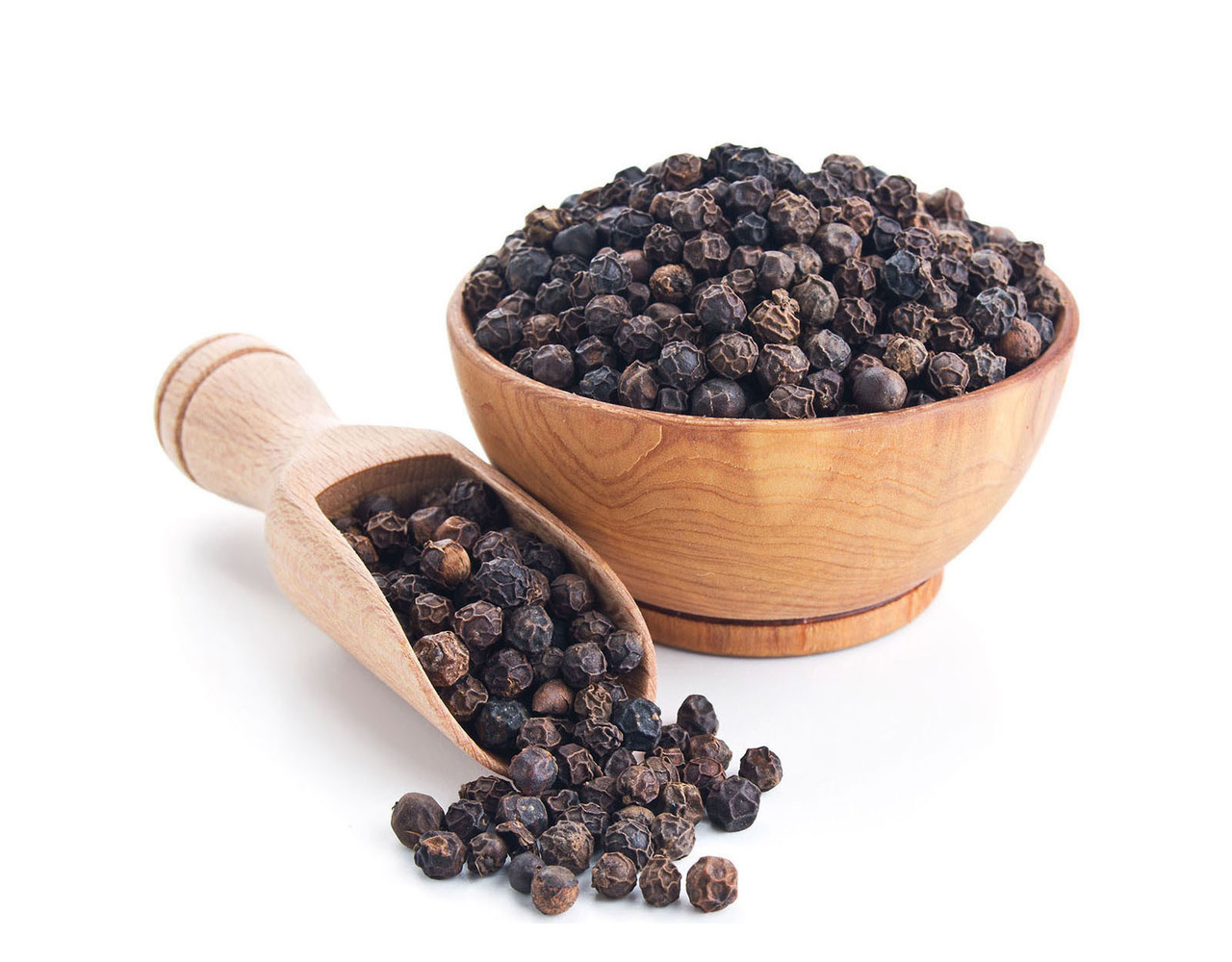
Black Pepper
Gets its kick from piperine, boosts absorption
Black pepper gets its kick from piperine. It’s more than just flavor - it changes how your body absorbs and metabolizes other compounds.
Main benefits:
- Boosts absorption: Piperine increases bioavailability of curcumin, resveratrol, beta-carotene, and some drugs by up to 2000%. That’s why turmeric + black pepper is a common combo. It slows down liver enzymes that break these compounds down, so more gets into your bloodstream.
- Digestion support: Stimulates hydrochloric acid and digestive enzymes in the stomach and pancreas. Helps with bloating, sluggish digestion, and gas. It’s why pepper is used in traditional remedies for indigestion.
- Mild metabolism boost: Piperine may slightly increase thermogenesis and fat breakdown in animal studies. In humans, the effect is small - think 5-10 extra calories burned per hour. It won’t cause weight loss alone, but it helps if you’re already in a calorie deficit.
- Antioxidant and anti-inflammatory: Neutralizes free radicals and blocks inflammatory pathways. Linked to reduced oxidative stress in animal studies.
- Antimicrobial: Has mild antibacterial properties, especially against foodborne bacteria. That’s partly why it was historically used as a food preservative.
Drink Videos
Drink Photos